
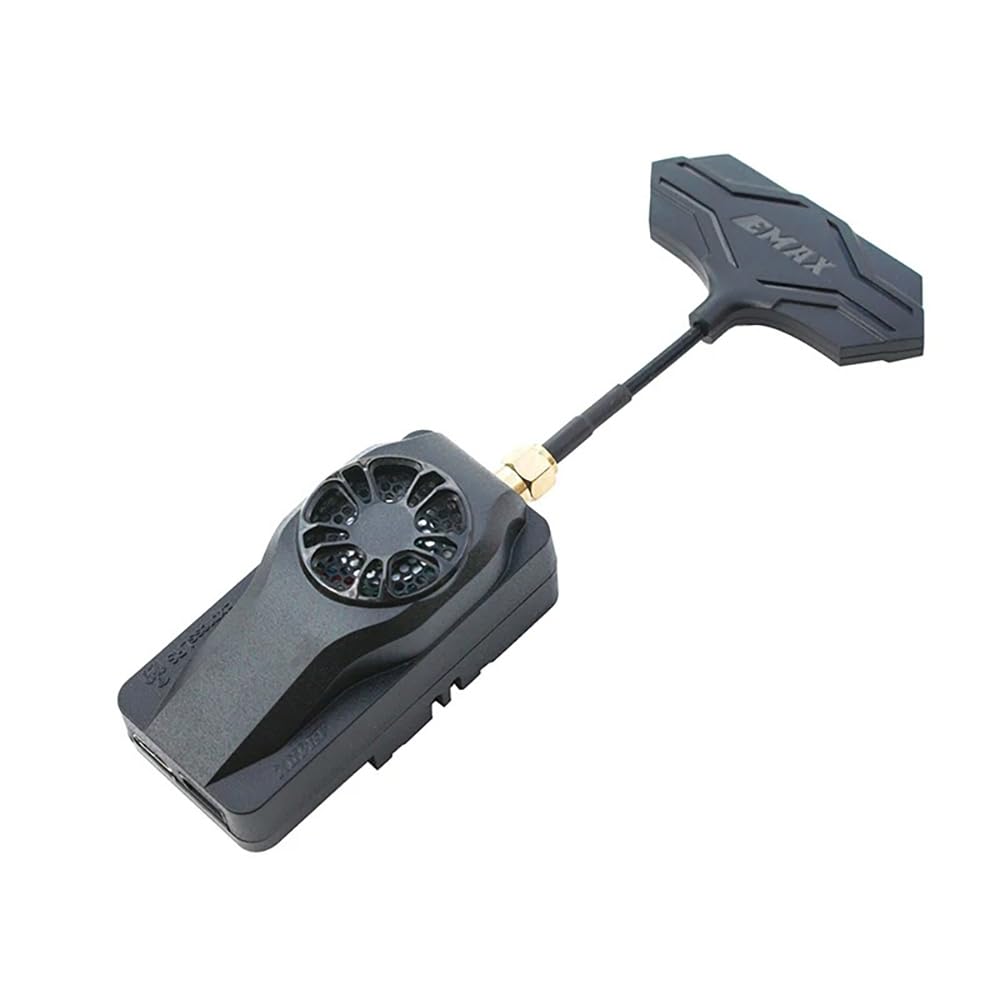
TX – ELRS 2100 MHz Transmitter
TX – ELRS 1015 MHz Transmitter
TX – ELRS 790 MHz Transmitter
TX – ELRS 490 MHz Transmitter
RX – ELRS 2100 MHz Receiver
RX – ELRS 1015 MHz Receiver
RX – ELRS 790 MHz Receiver
RX – ELRS 490 MHz Receiver
ELRS Transmitters & Receivers – Frequency Comparison
| Model | Frequency | Type | Typical Use Case |
|---|---|---|---|
| ELRS 2100 | 2100 MHz | TX / RX | Medium-range FPV, lower interference in crowded 2.4 GHz environments |
| ELRS 1015 | 1015 MHz | TX / RX | Long-range applications with good penetration and stability |
| ELRS 790 | 790 MHz | TX / RX | Extra-long-range flights, strong obstacle penetration |
| ELRS 490 | 490 MHz | TX / RX | Ultra-long-range missions, best penetration and performance in complex environments |
ELRS Transmitters & Receivers – Product Descriptions
ELRS 2100 MHz TX/RX
Designed for medium-range FPV flights, the 2100 MHz system offers a stable link with reduced interference compared to 2.4 GHz. Ideal for pilots who need reliable performance in moderately crowded RF environments. A good balance between range, latency, and antenna size.
ELRS 1015 MHz TX/RX
A long-range solution with excellent stability, 1015 MHz provides improved penetration and lower path loss. Suitable for drone operations, RC aircraft, and robotics requiring extended control distance while maintaining low latency.
ELRS 790 MHz TX/RX
Engineered for extra-long-range missions, 790 MHz delivers strong wall and foliage penetration and solid performance in complex outdoor environments. A preferred choice for search-and-rescue, terrain-following drones, and beyond-visual-line-of-sight applications.
ELRS 490 MHz TX/RX
Optimized for ultra-long-range operations, 490 MHz delivers the best signal penetration and link stability among all four bands. Perfect for professional FPV, long-distance surveying UAVs, and critical-control robotics.
SEO Titles (50–60 Characters)
- ELRS 2100 MHz TX/RX – Medium-Range Control System
- ELRS 1015 MHz TX/RX – Long-Range RC Link
- ELRS 790 MHz TX/RX – Extended-Range FPV System
- ELRS 490 MHz TX/RX – Ultra Long-Range RC Control
Meta Descriptions (140–150 Characters)
- Reliable 2100 MHz ELRS TX/RX for medium-range FPV with low interference and stable signal performance. Ideal for drones and RC applications.
- 1015 MHz ELRS TX/RX delivers long-range connectivity, strong penetration, and low latency for drones, RC aircraft, and robotics.
- 790 MHz ELRS TX/RX system provides extra-long range and excellent penetration for demanding FPV and UAV missions.
- 490 MHz ELRS TX/RX offers ultra-long-range performance with maximum penetration for professional UAVs and long-distance RC control.
Full FAQ Section
1. What is the main difference between 2100, 1015, 790, and 490 MHz ELRS systems?
The lower the frequency, the longer the range and the better the signal penetration. Higher frequencies allow smaller antennas and slightly faster response.
2. Which frequency is best for long-range FPV?
For extreme range: 490 MHz
For long range with balanced size: 1015 MHz
3. Which frequency is best for indoor or obstacle-heavy environments?
Low frequencies (790 MHz or 490 MHz) perform better through walls, foliage, and buildings.
4. Do these ELRS systems support both TX and RX?
Yes. Each frequency band has both transmitter (TX) and receiver (RX) models available.
5. Are antennas interchangeable between frequencies?
No. Each frequency requires a matching antenna tuned to that specific band.
6. Does lower frequency mean higher latency?
Latency differences are minimal within the ELRS system. Frequency mainly affects range and penetration, not control delay.
7. Are these ELRS modules compatible with standard ExpressLRS receivers?
Yes — as long as the frequency band matches, the TX and RX are fully compatible with ELRS firmware.
8. Which frequency is legal in my region?
Frequency availability depends on local radio regulations. Always verify compliance before use.
 m.ivcan.com